 PDF
ZENODO
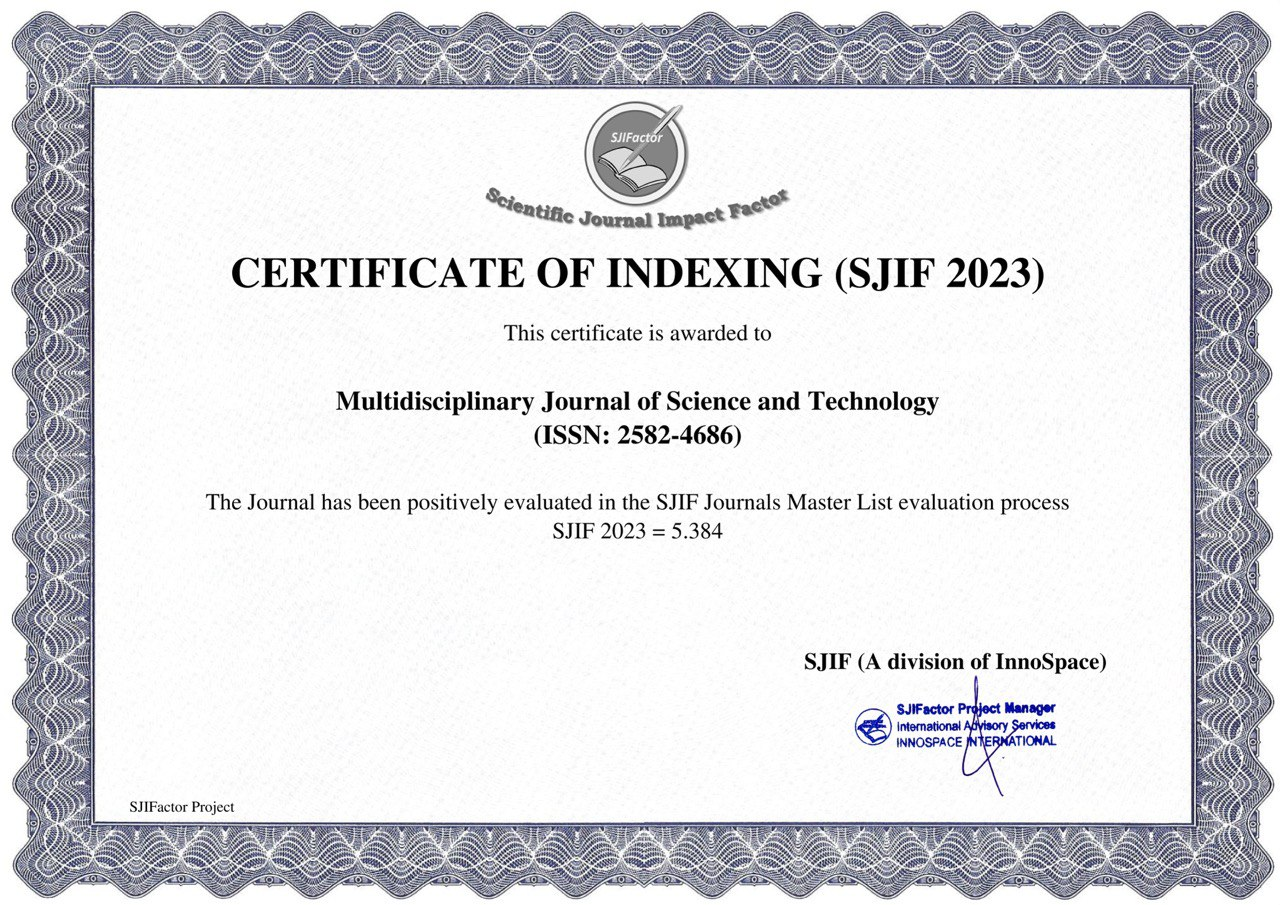
CERTIFICATE
PDF
ZENODO
CERTIFICATE
Published
2024-12-26
Section
Articles
How to Cite
How to Cite
THE PANDEMIC’S IMPACT ON PRODUCTIVITY: A CLOSER LOOK AT FINANCIAL AND ECONOMIC DYNAMICS
Omar Ashurbaev
Djalilov Mirvosid
Keywords: COVID-19, productivity dynamics, economic impact, digital transformation
Abstract
The global productivity has changed significantly during the COVID-19 pandemic and has emphasized the need for economic systems’ flexibility. This paper reviews the effects of the pandemic on productivity in different sectors, and how remote working, technology, and other sectoral issues have been affected. To achieve this goal, the study analyses the European Central Bank and other institutions’ data and policies to explain the variations in the recovery patterns and the firm characteristics that influence productivity during the crisis. Not only does the analysis help explain the impacts of the pandemic, but it also provides recommendations for improving the economy and maintaining stability after the pandemic.
References
1. Barney, J.B. (1991) ‘Firm resources and sustained competitive advantage’, Journal of Management, 17(1), pp. 99–120. DOI: [Insert DOI] (Accessed: 20 December 2024).
2. Doeringer, P.B. and Piore, M.J. (1971) Internal Labor Markets and Manpower Analysis. Lexington: Heath Lexington Books.
3. European Central Bank (ECB) (2023) The Pandemic’s Impact on Productivity: Key Trends and Policy Implications. Available at: [insert link here] (Accessed: 20 December 2024).
4. International Labour Organization (ILO) (2021) World Employment and Social Outlook: The role of digitalization during the pandemic. Available at: https://www.ilo.org (Accessed: 20 December 2024).
5. Keynes, J.M. (1936) The General Theory of Employment, Interest and Money. London: Macmillan.
6. Nelson, R.R. and Winter, S.G. (1982) An Evolutionary Theory of Economic Change. Cambridge: Harvard University Press.
7. OECD (2021) The Productivity Impacts of COVID-19: Challenges and Responses. Available at: https://www.oecd.org (Accessed: 20 December 2024).
8. Schumpeter, J.A. (1942) Capitalism, Socialism, and Democracy. New York: Harper & Brothers.
9. Brynjolfsson, E. and McAfee, A. (2014) The Second Machine Age: Work, Progress, and Prosperity in a Time of Brilliant Technologies. New York: W.W. Norton & Company.
10. Autor, D.H. and Dorn, D. (2013) ‘The growth of low-skill service jobs and the polarization of the US labor market’, American Economic Review, 103(5), pp. 1553–1597. DOI: [Insert DOI] (Accessed: 20 December 2024).
11. Goldin, C. and Katz, L.F. (2008) The Race Between Education and Technology. Cambridge: Harvard University Press.
12. Acemoglu, D. and Restrepo, P. (2020) ‘Robots and jobs: Evidence from US labor markets’, Journal of Political Economy, 128(6), pp. 2188–2244. DOI: [Insert DOI] (Accessed: 20 December 2024).